
A newly unearthed Rare Ptolemaic coin, a gold quarter drachma of Queen Berenice II, has been discovered, standing out as the sole example of its type found within a documented archaeological context. This singular find from ancient Jerusalem provides crucial details about the Ptolemaic empire’s influence and ancient trade networks, unlike 19 other known specimens.
Key Implications:
- Unparalleled Historical Value: This gold quarter drachma is the only known coin of Berenice II found in a verifiable archaeological context, making it an extraordinary historical document that provides precise data for understanding its circulation, journey, and cultural implications, unlike previously known isolated finds.
- Confirmation of Ancient Economic Ties: Composed of 99.3% gold and minted in Alexandria, its discovery in Jerusalem offers tangible evidence of robust, high-value trade networks and significant economic connections between the Ptolemaic Empire and the Levant during the 3rd century BC.
- Enhanced Understanding of Ptolemaic Reach: The coin’s presence in Jerusalem, along with its specific iconographic details, allows researchers to draw more precise conclusions about the expansive influence of the Ptolemaic realm, its economic policies, and the use of coinage for both commerce and political messaging.
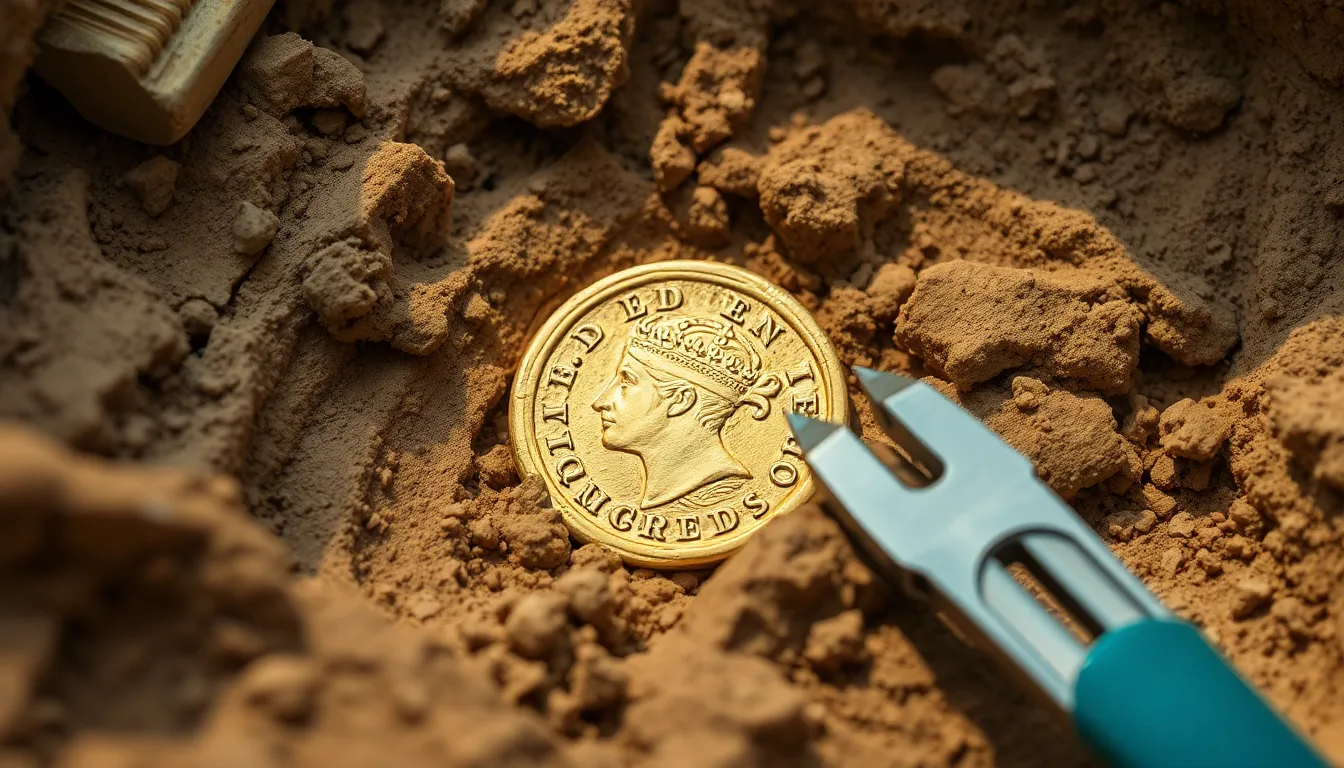
Unparalleled Archaeological Context for 1 of 20 Berenice II Coins
A recent archaeological find has brought to light a gold quarter drachma depicting the ancient queen Berenice II, a discovery that holds extraordinary significance in the world of numismatics and archaeology. This particular coin stands out as the only known example of its type found within a verifiable archaeological context, distinguishing it starkly from 19 other previously known specimens. The Israel Antiquities Authority announced this remarkable find, underscoring its pivotal role in enhancing our understanding of the Ptolemaic era.
The distinction of having a documented archaeological context is crucial. While 20 coins of this type are known globally, only one possesses the detailed information regarding its discovery that truly elevates its historical value. This specific rare Ptolemaic coin offers far more than just its intrinsic metallic worth or numismatic beauty; it provides invaluable insights into trade, political influence, and daily life during its period of circulation.
The Exceptional Significance of Contextual Discovery
The concept of “verifiable archaeological context” is fundamental to modern archaeology. It means that the coin was not merely found in isolation but was meticulously uncovered during a controlled excavation. This process allows archaeologists to record its precise location, the specific soil layer it was found in, and any other artifacts associated with it. Such data helps to accurately date the coin, understand its journey, and interpret its cultural implications, offering a robust framework for historical research.
In stark contrast, the 19 other known Berenice II gold quarter drachmas lack this vital contextual information. Many were likely discovered by chance, perhaps by farmers or laborers, or acquired through illicit digging before entering private collections or museums. Without a documented find spot or associated archaeological evidence, these coins, while authentic artifacts, become historical enigmas. They cannot definitively tell us where they were used, by whom, or under what circumstances they were lost or deposited, severely limiting their capacity to contribute to academic understanding beyond their physical existence.
The unique contextual placement of this single coin therefore transforms it into an extraordinary historical document. It allows researchers to draw more precise conclusions about the reach of the Ptolemaic Empire, the economic activities in ancient Jerusalem, and the specific historical period it represents. This makes the coin not just a rare object, but a powerful evidentiary tool for reconstructing the past.
Berenice II and the Ptolemaic Dynasty
Berenice II was a prominent queen of the Ptolemaic Kingdom in ancient Egypt, reigning alongside her husband, Ptolemy III Euergetes, from 246 to 222 BC. Coins bearing her likeness are relatively scarce, reflecting her status and the economic practices of the time. The Ptolemaic dynasty, founded by Ptolemy I Soter (a general of Alexander the Great), controlled a vast empire that included Egypt, Cyprus, Cyrenaica, and parts of Syria and Asia Minor. Their coinage often featured portraits of their rulers, serving as a medium for both economic exchange and political propaganda.
The discovery of a gold quarter drachma of Berenice II highlights the expansive influence of the Ptolemaic realm. Gold coins of this period were typically used for high-value transactions or as symbols of wealth and power. Finding such a valuable item in Jerusalem speaks volumes about the trade networks and political ties that connected distant regions in the ancient world. It demonstrates that valuable currency from the Ptolemaic heartland made its way into the Levant, possibly through commerce, tribute, or military presence, offering tangible evidence of these historical connections.
This particular rare Ptolemaic coin, therefore, does not just represent a queen; it represents an era of geopolitical interaction. Its presence in Jerusalem offers a direct, tangible link between the powerful Egyptian kingdom and the vibrant, strategically important city that was often at the crossroads of various empires. The intricate details of its design, combined with its unique provenance, make it a focal point for studying both numismatic art and ancient geopolitical relationships.
Discovery in the Heart of Ancient Jerusalem
The precise location of the coin’s discovery adds another layer of profound significance. It was found during excavation work in a car park situated within the City of David National Park in Jerusalem. The City of David is renowned as one of the most archaeologically rich sites in Israel, home to the earliest settlements of Jerusalem and continuous human habitation for millennia. Excavations in this area frequently unearth artifacts spanning numerous historical periods, offering an unparalleled chronological sequence of human activity.
The fact that this Berenice II coin was found during excavation in a car park emphasizes that even seemingly mundane locations in archaeologically significant areas can yield extraordinary finds when systematically investigated. Archaeologists meticulously peel back layers of earth, carefully documenting each find, no matter how small. This rigorous process is what provides the “verifiable archaeological context” that distinguishes this coin from its counterparts and makes it so valuable to scholarship.
The Israel Antiquities Authority’s announcement of this discovery underscores its importance, not just to local history but to global archaeological research. Their involvement ensures that the coin’s discovery was managed with the highest professional standards, allowing for maximum data retrieval and preservation. This rare Ptolemaic coin, unearthed from the soil of ancient Jerusalem, serves as a powerful testament to the city’s long and complex history as a nexus of empires and cultures.
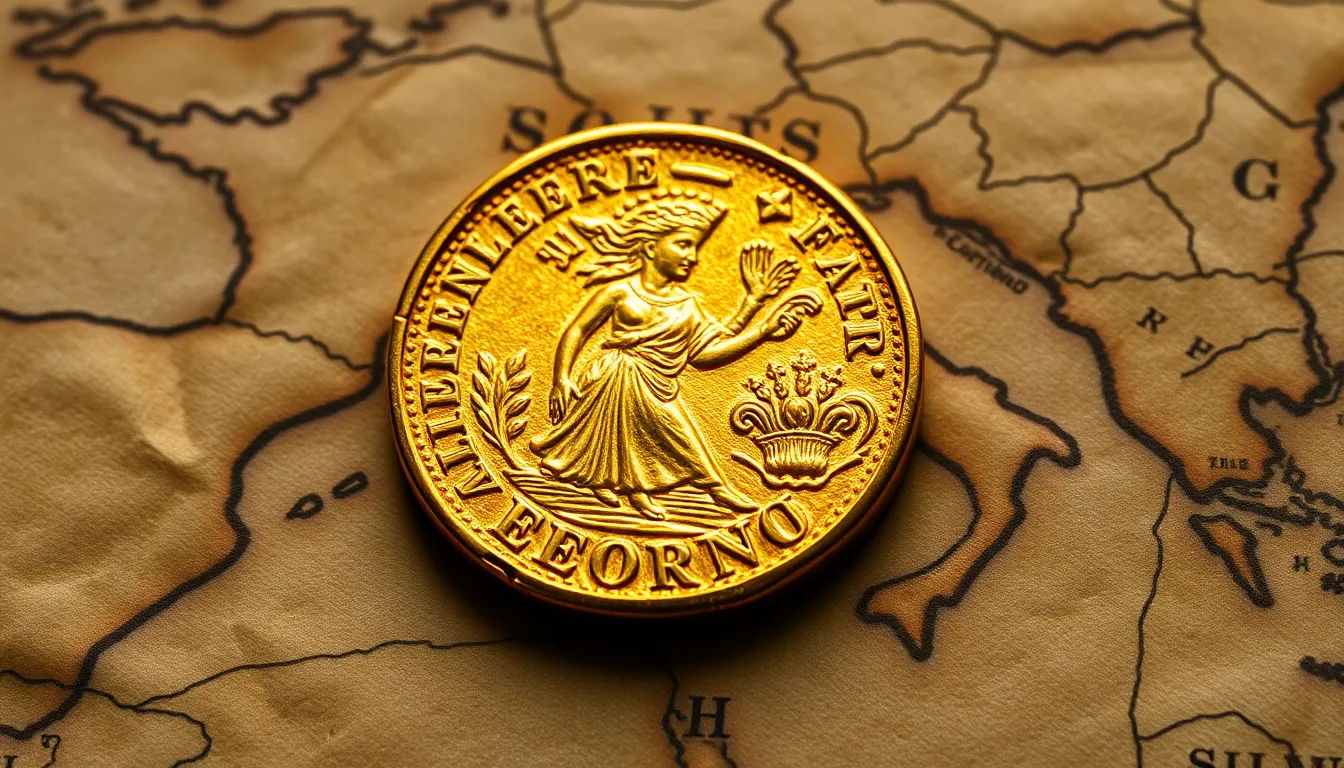
99.3% Gold Quarter Drachma Reveals 3rd Century BC Economic Ties
A recent numismatic discovery has cast new light on ancient trade routes and political influence. This quarter drachma, a remarkably preserved artifact, stands out due to its specific characteristics and the insights it provides. Composed of an astounding 99.3% gold composition, this coin was minted in Alexandria between 246-241 BC. Its intricate design depicts Queen Berenice II, offering tangible evidence of potential economic ties between Jerusalem and the powerful Ptolemaic empire during the 3rd century BC. The finding of such a rare Ptolemaic coin far from its origin points to a sophisticated network of commerce and cultural exchange across the Hellenistic world.
The significance of this artifact extends beyond its material value; it serves as a crucial historical marker, allowing scholars to reconstruct aspects of ancient economies and political relationships. Each detail, from its metallic purity to the imagery it bears, contributes to a clearer understanding of the Hellenistic period. Such archaeological finds are crucial for filling gaps in our knowledge of cross-regional interactions. This particular coin offers a unique window into the financial and diplomatic landscapes of a bygone era, illuminating the complexities of ancient imperial influence.
The Coin’s Materiality and Origin
Detailed analysis confirms the coin’s precise specifications, providing concrete historical details. It is unequivocally a quarter drachma, a denomination indicative of its role in daily transactions or specific trade purposes within the ancient world. The extraordinary purity of 99.3% gold underscores the Ptolemaic empire’s wealth and its commitment to a stable, high-value currency. Such a high gold content would have ensured its acceptance and trust across various regions, facilitating long-distance trade. The intrinsic value of the metal itself made these coins a coveted medium of exchange, essential for robust economic activity.
The minting location, Alexandria, was one of the ancient world’s most prominent intellectual and economic centers. Founded by Alexander the Great, it rapidly grew into a bustling port city, connecting vast territories and fostering extensive maritime trade. To be minted in Alexandria signifies the coin’s origin from the heart of Ptolemaic power and influence. Its dating to between 246-241 BC precisely places its creation within the active reign of Queen Berenice II. This timeframe is significant, as it corresponds to a period of both political stability and extensive trade for the Ptolemaic kingdom, particularly following the Third Syrian War.
The consistency in its material composition and minting standards speaks volumes about the economic policies of the Ptolemaic rulers. Gold coinage, especially of such high purity, was not merely currency; it was a potent statement of imperial authority and prosperity. Understanding the context of this rare Ptolemaic coin provides crucial insights into the broader monetary systems of the Hellenistic period. It also highlights the meticulous craftsmanship involved in producing such valuable and historically rich artifacts, reflecting advanced metallurgical and artistic skills.
Iconographic Details: Berenice II and Royal Portrayal
Beyond its material aspects, the coin’s iconography presents a fascinating historical puzzle and iconographic detail. The obverse prominently features a depiction of Queen Berenice II. What makes this portrayal particularly unique is her appearance without her consort, King Ptolemy III Euergetes. In Ptolemaic coinage, rulers were often depicted together, emphasizing the joint nature of their reign and dynastic continuity. Berenice II’s singular depiction suggests a deliberate choice, possibly aimed at emphasizing her individual authority, divine status, or political significance during this specific period of the Ptolemaic dynasty.
The reverse side of the coin further enhances its symbolic value. It displays a cornucopia, often referred to as the “horn of plenty.” This symbol was deeply ingrained in Hellenistic culture, representing abundance, prosperity, and fertility. Its inclusion on the coin reinforces the image of a flourishing kingdom under Berenice II’s rule, implying her reign brought bountiful resources and blessings. The combination of her solitary portrait and the cornucopia conveys a powerful message of independent regal power and the prosperity brought forth by the queen’s leadership. These iconographic choices were not arbitrary; they were carefully crafted messages designed to project specific political and ideological statements to the populace and beyond.
Such nuanced iconographic decisions often reflect underlying political circumstances or shifts in royal power dynamics. Analyzing these artistic choices helps historians understand how ancient rulers communicated their authority and legitimacy through widely circulated media like coinage. The specific imagery on this valuable gold coin offers a window into the self-perception and public image strategies of Berenice II. This rare Ptolemaic coin therefore becomes a rich source for studying not just economic history, but also the history of ancient political propaganda, royal succession, and gender roles in leadership.
Economic Connections Between Jerusalem and the Ptolemaic Empire
The ultimate significance of this quarter drachma lies in its implication for understanding economic relationships. Its presence suggests concrete historical details about connections between Jerusalem and the Ptolemaic empire during the specified timeframe. Jerusalem, situated strategically in the Levant, was a vital hub connecting various ancient civilizations, including Egypt, Mesopotamia, and the Arabian Peninsula. The discovery of Ptolemaic currency there indicates active trade routes and potentially a significant economic relationship. Goods exchanged could have included agricultural products, textiles, pottery, spices, or other raw materials flowing between the regions, establishing a vibrant commercial artery.
The use of such a high-value gold coin points to a robust and trusted financial system that transcended political borders. It is a powerful indicator that Ptolemaic currency was accepted and used in transactions far beyond Alexandria, reaching as far as Jerusalem. This widespread acceptance speaks to the economic dominance and perceived stability of the Ptolemaic empire during the 3rd century BC. The finding confirms that Jerusalem was not isolated but actively participating in the broader Hellenistic economy, possibly as a tributary state or a significant trading partner. Merchants would have facilitated the movement of these coins, along with goods, cementing cultural and economic ties.
The presence of such a rare Ptolemaic coin in Jerusalem offers undeniable evidence of commercial interactions and financial integration. It illustrates how precious metals, then as now, served as universal commodities, maintaining intrinsic value regardless of the issuer’s political boundaries. Unlike perishable goods or fragile documents, coins endure, providing tangible proof of past exchanges. This discovery reinforces the notion that ancient economies were far more interconnected than previously imagined, with sophisticated systems of trade and finance fostering both prosperity and interdependence across the ancient world. It enables historians to map out the economic arteries that linked distant cities and empires, providing a clearer picture of ancient globalization.
Featured image generated using Flux AI
Ancient Egypt: “Rare Ptolemaic coin”