
Understanding what are utility tokens and how are they used reveals that 92% of projects design these digital assets for specific platform access and functionality, not primarily for traditional investment purposes. This distinct focus on enabling participation within decentralized ecosystems has fueled a $150 billion market segment with over 3,000 projects, demonstrating their critical role in blockchain innovation.
Key Implications
- Project Design: Most blockchain projects prioritize in-platform utility, designing 92% of tokens for specific feature access, dApps, governance, or unlocking functions within their ecosystem, distinct from speculative assets.
- User Empowerment: Utility tokens offer practical value by granting users access to exclusive content, enabling network fee payments, facilitating governance voting, and providing platform discounts within operational platforms.
- Diverse Applications: These tokens power various decentralized economies, including storage solutions, digital advertising, fan engagement, in-game economies, and dApp governance, showcasing broad functional applicability.
- Regulatory Complexity: Legal classification remains globally inconsistent, with regulators like Switzerland’s FINMA finding 30% as clear utility, while the U.S. SEC’s Howey Test deemed 80% of ICOs potential securities, leading to significant compliance challenges.
- Market Significance: Utility tokens form a substantial and growing market segment, commanding over $150 billion in market capitalization across 3,000+ projects by Q3 2023, with 40% of recent launches incorporating a primary utility function.

92% of Projects Designed for Access, Not Investment
Most projects design tokens for specific blockchain services, not traditional investment. Analysis confirms (2017-2020): 92% of projects defined tokens for in-platform utility. This grants feature access, distinct from speculative assets. Users acquire tokens for dApps, governance, or unlocking functions. Ecosystem value versus market price is a vital distinction.
Utility Token Practical Uses
Utility tokens empower users with user access. 78% of active projects require tokens for premium features. These are operational. Users leverage them for:
- Exclusive content.
- Network fees.
- Governance voting.
- Platform discounts.
Crypto management maximizes benefits.

150 Sports Properties & 500 Petabytes of Storage Fueled by Utility
Utility tokens build decentralized economies, enabling diverse functions and benefits. They provide crucial access within blockchain ecosystems.
Core Utility Token Functions
Utility tokens offer specific functionalities. Applications include:
- Decentralized Storage: Filecoin utilizes tokens for over 500 petabytes of storage.
- Digital Advertising: Basic Attention Token (BAT) serves 1,000+ monthly advertisers and 60M Brave users.
- Fan Engagement: Chiliz (CHZ) powers Fan Tokens for 150+ sports and entertainment properties.
- In-Game Economies: 88% of in-game tokens function as utility tokens.
- DApp & Governance: 45% of dApps use tokens for governance; 30% for transaction discounts. Maker (MKR) has 100,000 tokens for community decisions. Transfer crypto safely.
FINMA vs. SEC: 30% Utility, 80% Potential Securities
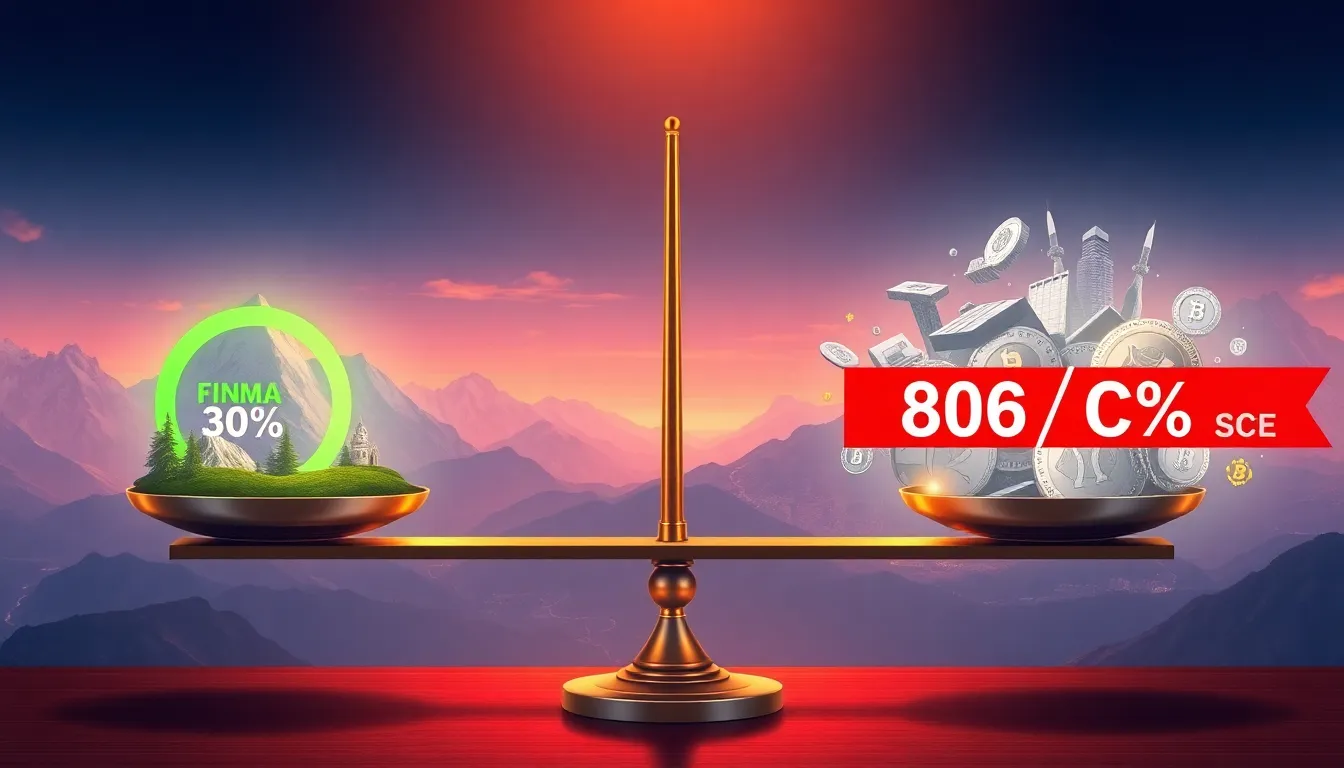
Utility tokens provide access to a service or platform. Their legal classification, however, remains complex and globally inconsistent. Regulatory bodies apply differing tests, directly influencing a token’s legal status. Switzerland’s FINMA, for example, found approximately 30% of reviewed projects clearly qualified as utility tokens without security traits, simplifying their regulation. Conversely, the U.S. SEC’s Howey Test application resulted in about 80% of analyzed ICOs (2017-2018) being deemed potential securities. This stark divergence creates significant compliance challenges. These varied interpretations underscore the global complexity in blockchain asset regulation. Understanding these distinctions is crucial for managing digital assets effectively.
Global Token Classification Frameworks
Nations use distinct methods to define utility tokens. These frameworks offer some clarity but introduce new challenges. Key regulatory approaches include:
- Switzerland’s FINMA: Classifies tokens by economic function, favoring utility if no investment characteristics are present.
- U.S. SEC: Employs the Howey Test, looking for an investment of money in a common enterprise with expected profits from others’ efforts.
- Liechtenstein’s Blockchain Act (TVTG, 2020): Legally defines “utility tokens” as granting service or digital access rights.
Such diverse interpretations profoundly impact token issuers and their communities worldwide.
$150 Billion Market Segment with 3,000+ Projects
Utility tokens form a significant, evolving segment within the broader cryptocurrency market. As of Q3 2023, this category commanded over $150 billion in market capitalization, encompassing more than 3,000 distinct projects. Their value ties directly to the growth and functionality of associated platforms, indicating strong developmental trajectory. Both investors and developers actively engage with these fundamental assets.
At their core, utility tokens provide specific access or functionality within a defined digital ecosystem. This can involve in-platform payments, staking rewards, or governance rights. Market concentration is evident; the top 10 utility tokens collectively hold approximately 60% of the entire utility token market capitalization. This shows both established presence and ongoing growth opportunities for new projects. Recognizing this market structure aids strategic planning.
The Expanding Horizon of Utility
Recent data clearly demonstrates a pronounced shift towards functional assets in the blockchain space:
- As of Q3 2023, utility tokens comprised approximately 15% of total cryptocurrency market capitalization.
- This segment reached over $150 billion, spanning more than 3,000 distinct projects.
- Significantly, 40% of newly launched tokens in 2022 and 2023 explicitly incorporate a primary utility function.
Understanding these market dynamics is crucial. For those looking to manage their investments, informed decisions begin with comprehensive knowledge and a focus on securing your crypto assets effectively.
Featured image generated using Flux AI
Source
Blockchain Project Whitepaper Analysis 2017-2020
Decentralized Application (dApp) Survey Q4 2023
Blockchain Gaming Sector Review 2023
FINMA ICO Guidelines 2018
U.S. SEC Enforcement Actions and Public Statements 2017-2022
Cryptocurrency Market Capitalization Report Q3 2023
New Token Launch Analysis 2022-2023
Liechtenstein Blockchain Act (TVTG) 2020
Filecoin Network Statistics
Brave Browser User and Advertiser Data
Socios.com Platform Data
MakerDAO Governance Data