
The sudden unearthing of a magnificent 1,400-year-old Byzantine treasure discovered with a metal detector at ancient Hippos offers an extraordinary window into a turbulent historical era. This exceptional hoard, comprising 97 gold coins and intricate jewelry, represents the largest Byzantine gold discovery of its kind in the region, providing unparalleled insights into seventh-century life and upheaval.
Key Implications:
- Historical Context: The concealment of this treasure directly illuminates the profound societal upheaval and defensive strategies employed by residents during the Sasanian invasion of 614 AD.
- Economic and Artistic Practices: The diverse collection of gold coins and jewelry offers unparalleled insights into early seventh-century Byzantine economic practices, extensive trade networks, and sophisticated goldsmithing techniques.
- Archaeological Understanding: This exceptional archaeological find, facilitated by modern metal detection, provides crucial primary source material to redefine understanding of Byzantine provincial life, imperial control, and responses to crises.

Ninety-Seven Gold Coins and Jewelry Form Region’s Largest Byzantine Hoard
An incredible archaeological breakthrough at ancient Hippos has unveiled a treasure of immense historical significance, offering an unparalleled window into the late Byzantine period. This 1,400-year-old Byzantine treasure discovered with a metal detector stands as one of the most remarkable finds in recent memory. It spectacularly features 97 glistening gold coins and dozens of intricately crafted jewelry pieces. The hoard is rightly celebrated as one of the five largest gold discoveries from its specific era found across the entire region. Its estimated age, approximately 1,400 years old, firmly places its concealment in the tumultuous early seventh century, a pivotal moment in Byzantine history.
The diligent work of a metal detectorist led to this pivotal discovery, significantly enriching our understanding of ancient economies and daily life. Such well-preserved hoards are exceedingly rare, making this find particularly valuable to the academic community. Michael Eisenberg, a respected archaeologist from the University of Haifa, articulated the profound importance of this collection. He noted it as “among the five largest gold hoards of that period found in the region,” highlighting both its scale and its deep historical value. This specific timeframe, the late Byzantine period, was characterized by widespread geopolitical shifts and economic pressures.
The Discovery’s Context and Archaeological Impact
The use of modern technology, specifically a metal detector, played a crucial role in bringing this treasure to light. Often, such significant finds occur in areas previously overlooked by traditional excavation methods. The precise location at ancient Hippos adds another layer of intrigue, a site known for its extensive Roman and Byzantine history. Discoveries like this help redefine our perceptions of wealth distribution and security practices during periods of unrest. Hoards are typically buried rapidly to protect assets during invasions or instability, reflecting the anxieties of their original owners.
Archaeologists will now meticulously analyze the deposition context to understand why such valuable items were hidden. This involves studying the surrounding soil, any potential containers, and the relative positions of the artifacts within the hoard. Understanding the circumstances of its burial can provide crucial clues about the specific historical events that led to its concealment. This precious collection promises to inform discussions on Byzantine provincial life, imperial control, and the daily struggles faced by residents. For scholars, this is not merely a collection of valuable items but a primary source providing tangible evidence of a long-past world.
Glimpses of Imperial Power: The Gold Coins
At the core of this spectacular hoard are the 97 gold coins, each a small masterpiece of ancient numismatics. These coins offer a direct timeline, meticulously dating from the reign of Emperor Justin I to early Heraclius. The sequence of these rulers provides a precise chronological anchor for the treasure’s burial. This allows historians to align its concealment with known imperial policies and significant historical events of the time. The purity and standardization of Byzantine gold coinage, particularly the solidus, were hallmarks of their economic stability and international influence.
Studying these specific coins offers profound insights into the economic stability and extensive trade networks of the Byzantine Empire. The widespread circulation of such high-value currency confirms the empire’s enduring influence, even during challenging times. Each emperor’s depiction on the coins provides an opportunity to examine imperial propaganda and artistic trends. The presence of coins from different emperors might suggest a long-term accumulation of wealth, or perhaps a sudden gathering of diverse currencies for safekeeping. These artifacts, forming part of the 1,400-year-old Byzantine treasure discovered with a metal detector, are vital for understanding ancient historical implications of coinage.
Exquisite Adornments: Jewelry and Byzantine Craftsmanship
Complementing the impressive collection of gold coins are dozens of incredibly delicate jewelry pieces. These items provide a rare and intimate glimpse into the personal adornments and sophisticated aesthetic tastes of the Byzantine elite. The collection notably includes numerous earrings, which are themselves miniature works of art. These earrings are meticulously crafted, featuring exquisite settings for a variety of precious materials. Specifically, they are set with lustrous pearls, vibrant colored stones, and elegant glass elements, showcasing the remarkable artistry prevalent in the seventh century.
The craftsmanship evident in these jewelry pieces is truly remarkable, reflecting advanced techniques of the period. Each piece speaks volumes about personal wealth, social status, and the prevailing fashion trends within the late Byzantine Empire. The combination of gleaming gold with the subtle shimmer of pearls and the sparkle of colored stones would have created dazzling effects when worn. Such intricate and delicate items are highly susceptible to decay over centuries, making their exceptional preservation a testament to their protective burial. They represent not only significant monetary value but also immense cultural and artistic significance, aiding greatly in understanding Byzantine luxury. For those interested in the contemporary value of precious metals, current precious metal market trends show gold’s enduring appeal.
The detailed examination of these earrings, from their specific settings to the origins of their materials, contributes significantly to our knowledge of ancient jewelry production. These findings also offer crucial clues about the extensive trade networks that supplied raw materials like pearls and specific colored stones from distant lands. Understanding these ancient supply chains provides further context to the economic reach and power of the Byzantine Empire. This unprecedented collection helps researchers piece together the daily lives, lavish practices, and artistic achievements of an influential ancient civilization. The archaeological significance of this 1,400-year-old Byzantine treasure cannot be overstated for its myriad historical revelations and the deeper understanding it provides of a vibrant past.

Sasanian Invasion of 614 AD Forced Concealment of Valuables in Hippos
The discovery of a remarkable 1,400-year-old Byzantine treasure discovered with a metal detector provides a vivid historical timestamp. Its concealment directly links to the profound destabilization of Byzantine Palestine. The Sasanian Empire’s invasion in 614 AD was the primary trigger for its burial. This event sent severe shockwaves throughout the region. Wealthy residents of Hippos faced an imminent threat. They took drastic measures to protect their most valuable assets during this period of extreme uncertainty.
Understanding the treasure’s significance requires examining its historical context. The Sasanian invasion was a cataclysmic event. It forced communities to confront immediate and severe threats to their security. For the inhabitants of Hippos, a flourishing urban center, the invasion necessitated urgent safeguarding of accumulated wealth. This urgent need led to the strategic burial of many precious items.
The Vibrant Life of Hippos Before the Storm
Before the Sasanian advance, Hippos thrived as a dynamic Christian community. Its strategic location fostered robust trade connections. These connections contributed significantly to its economic prosperity. This vibrant city was also home to skilled local artisans. Their craftsmanship enriched the daily lives of its residents. Evidence of this rich cultural and economic life abounds.
Intricate church mosaics adorned Hippos’s sacred spaces. Numerous pottery fragments found throughout the site indicate a bustling populace. Remnants of homes further illustrate a well-established urban environment. Prosperous citizens inhabited these dwellings. Hippos’s strong trade network ensured a constant flow of goods and wealth. Merchants could accumulate significant assets. These economic activities fueled a culture of fine craftsmanship and valuable possessions. Hippos served as a thriving Christian community with robust trade connections. This prosperity, however, made Hippos a tempting target for invading forces.
The Sasanian Threat and Urgent Concealment
The Sasanian Empire’s invasion of Byzantine Palestine in 614 AD was a full-scale assault. It aimed to conquer and control the region. This military campaign brought immense turmoil and fear to areas like Hippos. The invasion’s rapid progression and brutal tactics destroyed public trust and safety. As Sasanian forces advanced, residents had little choice. They prepared for the worst, leading many to hide their valuables.
For the wealthy residents of Hippos, the invasion presented an existential crisis. This group included prominent merchants and clergy. Their accumulated riches, often coins and jewelry, became vulnerabilities. Burying these valuables was a common strategy during ancient invasions. It occurred frequently during periods of extreme unrest. This act of concealment was a desperate attempt to preserve wealth. They hoped for future recovery, assuming they survived the conflict. The Sasanian invasion of 614 AD directly triggered these desperate measures. The circumstances surrounding the treasure’s burial align with documented historical accounts of the Sasanian conquest.
Echoes of Prosperity: The Nature of the Buried Wealth
Researchers have carefully considered the likely ownership of the discovered hoard. They believe the wealth probably belonged to merchants or clergy within Hippos. Merchants, by the nature of their trade, often possessed significant liquid assets. These included coinage and other valuable goods. Their livelihoods depended on commerce. This made protecting their capital paramount during times of war. For clergy, the church itself often held considerable wealth. Congregants contributed this wealth. Individual religious leaders might also have personal valuables. Similar hoards elsewhere containing sacred items support this hypothesis.
The decision to bury such wealth was highly personal. It was often conducted in secret. This secrecy prevented looting by invaders or opportunistic neighbors. This act underscores the deep sense of panic gripping the city’s elite. Protecting these assets was not just about personal financial security. It also represented the preservation of family legacy. Alternatively, it could have been resources of an ecclesiastical institution. The 1,400-year-old Byzantine treasure discovered with a metal detector thus offers a poignant glimpse. It reveals the private fears and strategic actions of those facing impending conquest.
A Secondary Catastrophe: The 749 AD Earthquake
While the Sasanian invasion provided the initial impetus for the treasure’s burial, Hippos faced another devastating event later. A powerful earthquake, dated to 749 AD, inflicted severe damage. This natural disaster acted as a secondary catastrophic event. It accelerated Hippos’s decline and eventual abandonment. Many structures collapsed. This rendered large parts of the city uninhabitable. It disrupted any attempts at sustained recovery. The earthquake’s destructive force likely buried some hidden valuables even deeper. It could also have made original hiding places inaccessible.
This seismic event occurred over a century after the invasion. It compounded challenges for any remaining or returning inhabitants. The combined effects of prolonged conflict, economic disruption, and natural disaster proved overwhelming. The once-thriving city could not recover. The 749 AD earthquake compounded these challenges, leading to the city’s final decline. The 1,400-year-old Byzantine treasure discovered with a metal detector remained hidden. Perhaps its original owners never returned. They may have perished during these tumultuous times. Its recent uncovering connects us to two distinct, yet equally devastating, chapters in Hippos’s long history.
The Enduring Legacy of Buried Byzantine Wealth
The story of the treasure’s concealment in Hippos serves as a powerful reminder of historical volatility. The Sasanian invasion irrevocably altered Byzantine Palestine. It forced residents to make impossible choices. Burying wealth, especially precious metals, was a desperate hope for future stability. Much like in modern times, economic uncertainty can lead to a surge in demand for gold and silver as investments. Ancient populations also valued these tangible assets during crises. The very existence of this 1,400-year-old Byzantine treasure discovered with a metal detector provides irrefutable evidence of societal upheaval. It underscores the fragility of prosperity when facing invasion and natural calamity.
This discovery provides invaluable insights into daily life in Byzantine Palestine. It illuminates a period of imperial transition and conflict. It highlights how ordinary citizens, even wealthy ones, responded to extraordinary threats. The coins and other artifacts within the treasure offer tangible links to the economic and social fabric of a lost era. They also remind us that throughout history, valuable coins served as symbols of power and status. Sometimes, they carried profound political implications. This is explored in discussions surrounding historical figures on coinage. The silent testament of this buried wealth speaks volumes. It conveys resilience, loss, and the enduring human desire to protect what is most precious. This buried treasure remains a crucial historical artifact, offering insights into ancient resilience and turmoil.
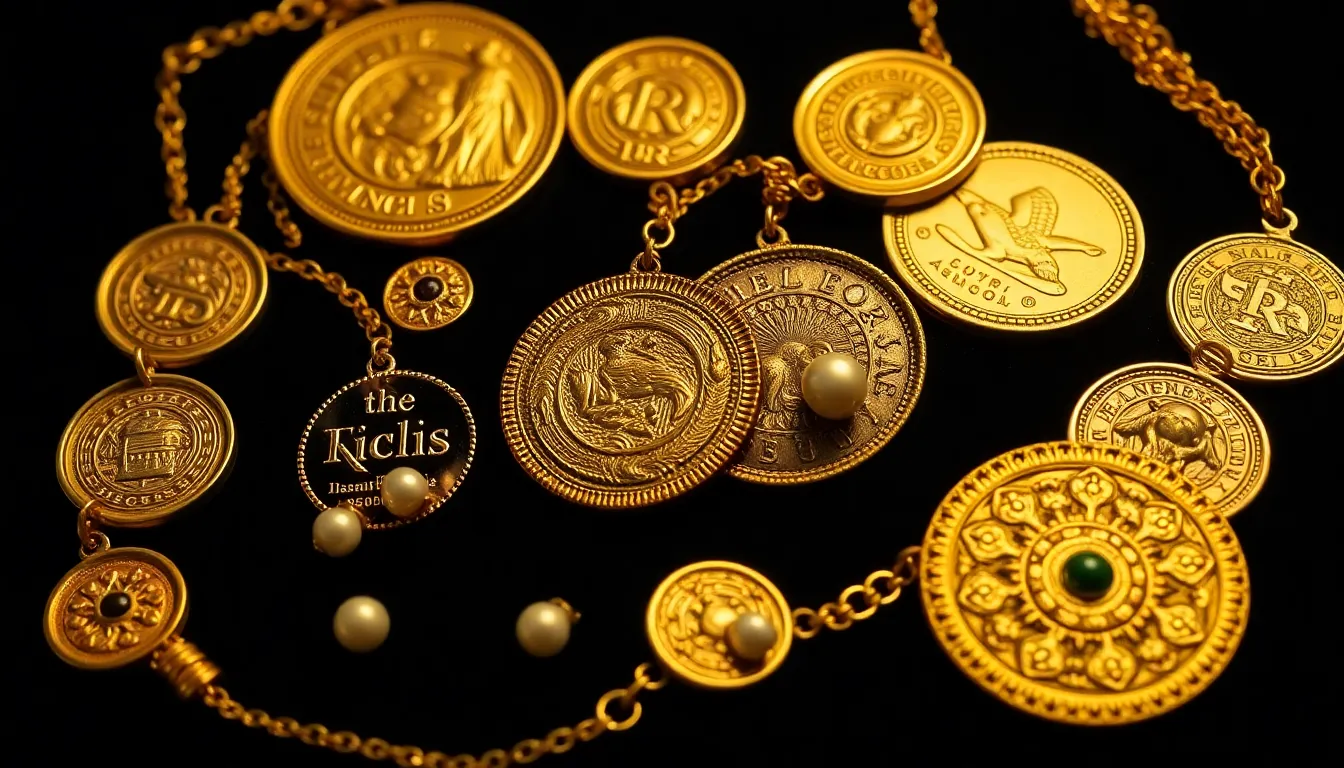
Byzantine Coinage Reveals 7th-Century Economic Practices and Goldsmithing
A 1,400-year-old Byzantine treasure discovered with a metal detector offers an unparalleled glimpse into a critical historical period. This remarkable gold hoard, unearthed unexpectedly, casts significant light on the sophisticated economic practices and artistic achievements of the early seventh-century Byzantine Empire. Its comprehensive collection of diverse coinage and meticulously crafted jewelry serves as tangible evidence of a thriving economy and highly skilled artisans. The find is far more than just a collection of precious metals; it represents a captivating historical narrative preserved in gleaming gold. Such discoveries continue to captivate, underscoring the enduring appeal of precious metal finds for both historians and collectors.
The discovered gold hoard provides specific insights into early seventh-century Byzantine economic practices through its diverse array of coinage. The collection offers a robust testament to a complex and well-structured monetary system. It includes both high-value gold coins and numerous smaller denominations, indicating a broad spectrum of financial transactions. Such a range strongly suggests an economy capable of facilitating everything from significant mercantile trade agreements to routine daily purchases. This monetary diversity paints a vivid picture of a bustling and multifaceted economic landscape, supporting various commercial activities across different social strata within the empire.
One specific coin, a tremissis, was struck in Cyprus around 610 AD during the revolt that brought Heraclius to the throne. This valuable coin was expertly minted during a period of profound political turmoil for the Byzantine Empire. It provides a tangible connection to a turbulent chapter in Byzantine history. The coin reflects the immediate economic and political realities of that challenging time. The tremissis’s precise origin and date offer an invaluable historical marker. It is crucial for accurately dating the entire hoard and understanding its concealment. Such insights into ancient coinage often reveal broader political narratives, illustrating how everyday objects chronicle significant leadership changes.
The varying denominations discovered within the hoard further underscore the adaptability and robustness of Byzantine currency. Larger gold coins were undoubtedly crucial for facilitating substantial long-distance trade routes. They also supported major financial payments between merchants and states. Conversely, smaller denominations were essential for localized commerce. They also fulfilled everyday necessities for the general populace. This well-structured approach to currency management highlights the Byzantine Empire’s dedication to maintaining economic stability. It also suggests that the hoard potentially represented a merchant’s active working capital or significant family wealth, rather than just buried savings.
Insights into Byzantine Goldsmithing Excellence
Beyond its sheer monetary and historical value, the 1,400-year-old Byzantine treasure discovered with a metal detector profoundly showcases the era’s sophisticated goldsmithing techniques through its exceptionally well-preserved jewelry. These exquisite pieces transcend mere decoration. They stand as powerful artifacts of truly advanced craftsmanship. Jewelry pieces feature intricate filigree patterns, pearls, and semi-precious stones, reflecting 6th and 7th-century goldsmithing skills. Filigree, a technique involving the meticulous twisting of fine metallic threads into elaborate designs and often soldering them onto a metal base, demanded immense precision and an in-depth understanding of metal properties. This method produced breathtakingly delicate and detailed ornaments, demonstrating an artistry that rivaled or even surpassed contemporary European work.
To further enhance their visual appeal and value, the jewelry pieces artfully incorporate pearls and various semi-precious stones. These carefully selected adornments clearly reflect the prevalent aesthetic preferences. They also highlight the material resources available during the 6th and 7th centuries. The strategic inclusion of such precious elements strongly indicates robust access to extensive trade networks. These networks supplied valuable commodities from distant lands. The harmonious combination of intricate metalwork with these rich embellishments speaks volumes about the substantial wealth and elevated artistic aspirations prevalent in Byzantine society. Such finely crafted pieces often served as potent symbols of social status, personal devotion, and imperial grandeur.
The remarkable state of preservation of these ancient items, even after remaining buried for centuries, allows modern researchers to conduct highly detailed studies of their construction. Experts can meticulously analyze the specific tools and precise methods employed by the original goldsmiths. This in-depth examination contributes significantly to our contemporary understanding of ancient metallurgical practices and artistic traditions. The extraordinary skill evident throughout this gold 1,400-year-old Byzantine treasure discovered with a metal detector provides a rare and precious window into the highly specialized workshops of the master craftsmen. These artisans defined the artistic landscape of the Byzantine Empire. This level of artistry was absolutely pivotal to shaping the rich cultural identity of the region.
Historical Context and Hidden Meanings
An intriguing aspect of the discovery is the presence of distinct fabric impressions found on some of the coins. These subtle yet significant impressions strongly suggest that the coins were once carefully held within a cloth bag. Fabric impressions on some coins indicate they were once held in a cloth bag, preserving details about their concealment. This particular detail preserves invaluable minute information about their original concealment. It offers a vivid, almost personal image of how the entire treasure might have been stored and subsequently hidden away. Such evidence implies a rather swift and perhaps urgent burial, likely prompted by impending danger or an immediate necessity for secure safekeeping. The extraordinary preservation of these delicate impressions is a rare archaeological occurrence. It offers truly unique insights into the circumstances surrounding the hoard’s deposition.
The specific timing of this hoard’s concealment, coinciding with the minting of the tremissis around 610 AD, places it directly within a period of profound political instability for the Byzantine Empire. The aforementioned revolt, which eventually propelled Heraclius to the imperial throne, was an exceptionally tumultuous and uncertain time for the region. Such periods of widespread unrest frequently compelled individuals and families to bury their most valuable possessions for safekeeping. They harbored hopes of retrieving them once peace and order were finally restored. The fact that this 1,400-year-old Byzantine treasure discovered with a metal detector remained hidden for such an immense duration profoundly underscores the lasting impact and permanence of those historical events, telling a story of loss and memory.
The profound insights gleaned from this extraordinary discovery extend far beyond merely enhancing our understanding of Byzantine economic structures and artistic achievements. They also introduce a powerful human element, weaving a narrative of an individual or family’s desperate attempt to safeguard their wealth during a severe crisis. This treasure effectively functions as a meticulously preserved time capsule. It offers direct, tangible evidence of the material culture and the specific historical circumstances that defined its era. Analyzing these ancient items helps us connect with a distant past on a surprisingly personal and empathetic level. The unparalleled combination of monetary history, stunning artistic achievement, and circumstantial evidence of concealment makes this archaeological discovery truly exceptional and deeply significant.
Featured image generated using Flux AI
Earth.com: “1,400-year-old Byzantine treasure discovered with a metal detector”